Movement of
Our Mission
Our mission is to fight for women and girls’ rights to study work and freedom. Be port of the efforts, join our campaigns and stand for what matters the most for Afghan Women and Girls basic rights. Stay informed with our latest news make the international community to listen and react accordingly.
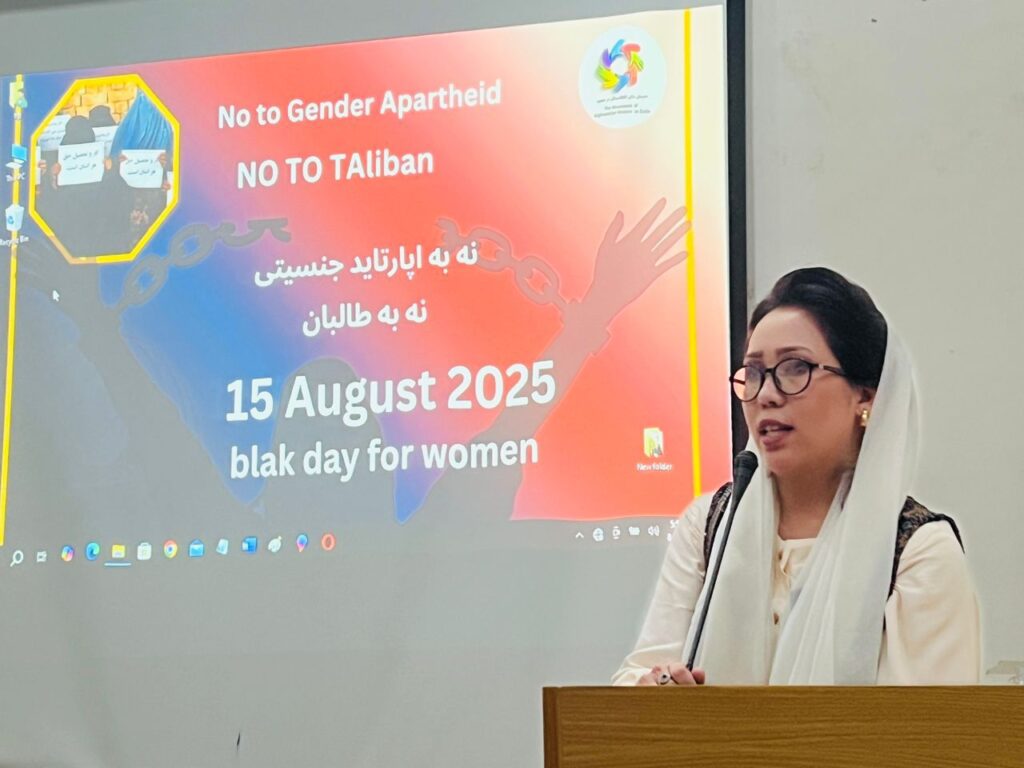
A massage from the co-founder!
Strength in women isn’t just born — it’s built. It’s passed from hand to hand, from mother to daughter, from friend to friend, from one fearless heart to another. Every challenge faced, every glass ceiling cracked, every moment of rising after a fall — all of it fuels the fire of strength that grows within.
This is a new era — a generation where women lead with power, love with courage, and live unapologetically. A generation where beauty is defined not just by appearances, but by resilience, authenticity, and the boldness to be exactly who you are.
At our core, we believe in uplifting that strength. Whether it’s a new haircut, a glowing skin treatment, or a quiet moment of self-care, it’s never just about looks — it’s about lighting up that spark inside. The spark that says: You are powerful. You are capable. You are enough
Farzana Rezaie
Our Programes
Public Events
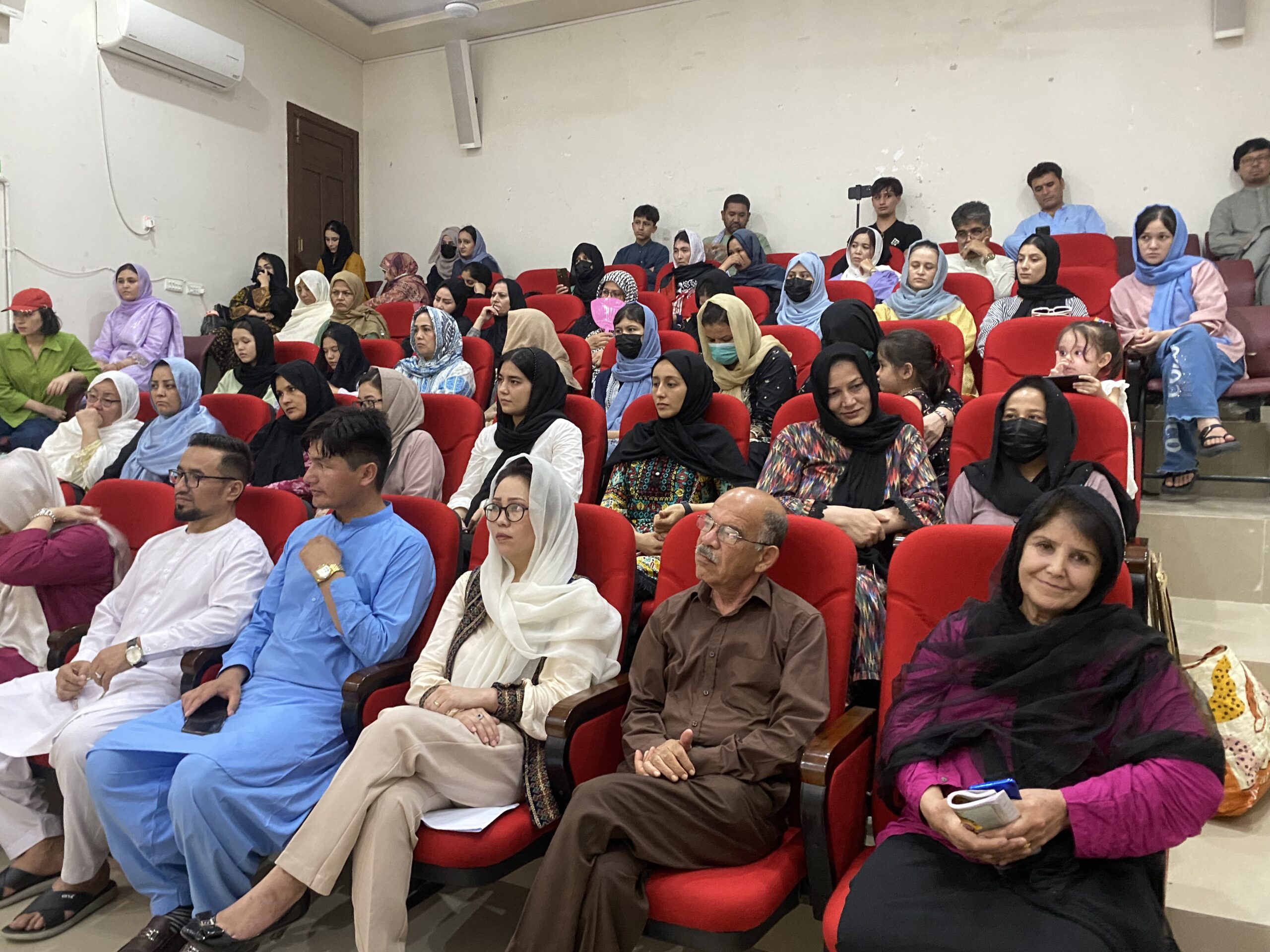
Our public events aim to raise awareness about the situation of women and girls in Afghanistan and to build solidarity within the wider community. We organize panel discussions and conferences to educate the public about restrictions imposed by the Taliban. Through workshops and seminars, we create space for dialogue on women’s rights and human dignity. We host cultural programs, including poetry readings and art exhibitions, to highlight Afghan women’s voices and talents. Our peaceful demonstrations and rallies call for equal rights and access to education. We participate in global campaigns marking important dates related to women’s rights. Film screenings and storytelling events help audiences better understand personal experiences of Afghan women. We collaborate with universities, civil society groups, and local organizations to expand our reach. Community gatherings provide networking and emotional support for Afghan women in exile. We encourage youth participation to inspire the next generation of advocates. Our events strengthen solidarity between Afghan women and international allies. Through public engagement, we ensure that the struggle for equality remains visible and supported worldwide.
Basic awareness
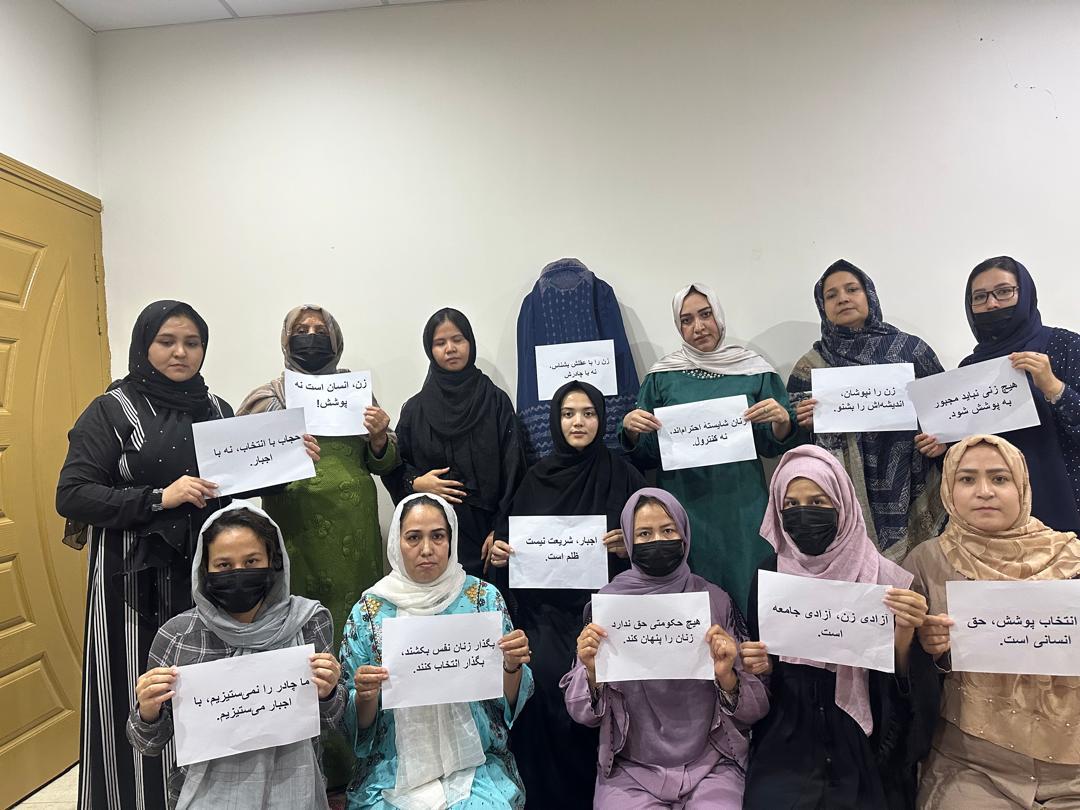
Our advocacy and awareness work focuses on amplifying the voices of women and girls from Afghanistan who are facing systematic discrimination. We speak out against the policies imposed by the Taliban that restrict education, employment, and freedom of movement. We document real stories and testimonies to ensure the world understands the human impact of these restrictions. Through campaigns and public statements, we demand equal rights and dignity for Afghan women and girls. We engage with international institutions such as the United Nations to call for accountability and action. Our movement raises awareness through social media, community forums, and global events. We collaborate with human rights organizations to strengthen international solidarity. We challenge gender apartheid and advocate for access to education at all levels. We encourage policymakers to prioritize women’s rights in diplomatic discussions. We empower Afghan women in exile to become leaders and advocates in their new communities. We ensure that the voices of those silenced inside the country are heard internationally. Our goal is to keep global attention focused on justice, equality, and freedom for Afghan women and girls.
From Hope to Action
We are making dedicated efforts to change the future of Afghan women by providing basic education, skill development, and empowerment programs that promote independence, self-confidence, and leadership, while creating safe spaces for dialogue, mentorship, and support, encouraging women to pursue their dreams, challenge social barriers, and participate actively in shaping their communities, as we collaborate with local and international partners to advocate for policy reforms, raise awareness about gender equality, and ensure that every Afghan woman, regardless of her background, has the tools, opportunities, and voice to build a brighter, more inclusive, and sustainable future for herself and generations to come.
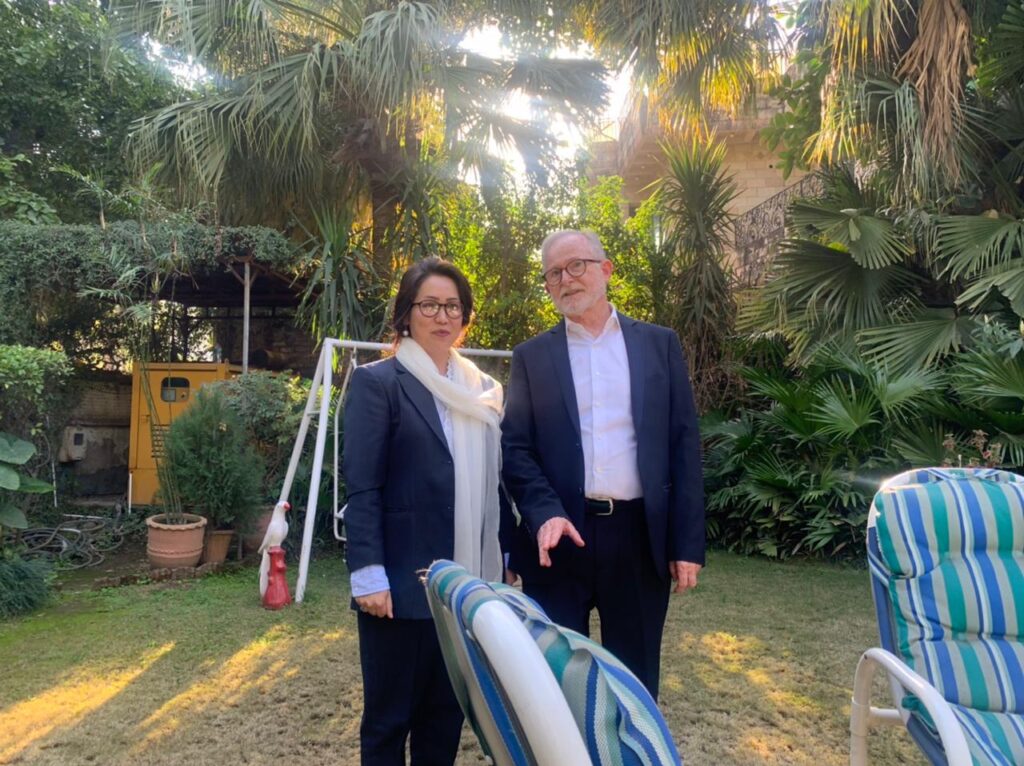
Meeting With MR. Richard Bennett The UN special reporter on the situation of human rights in Afghanistan
It was a significant and meaningful opportunity to meet with Richard Bennett, the United Nations Special Rapporteur on the situation of human rights in Afghanistan, and to discuss in depth the urgent challenges facing Afghan women and girls.
During our meeting, I raised serious concerns about the systematic restrictions imposed by the Taliban, particularly the ongoing bans on girls’ secondary and higher education, limitations on women’s employment, and severe restrictions on freedom of movement. I emphasized that these policies are not isolated decisions but part of a broader pattern of gender-based discrimination that is erasing women from public life. We discussed how these measures have devastating long-term consequences — not only for women and girls, but for the future development, stability, and prosperity of the country as a whole.
A major focus of our conversation was the situation of Afghan women and girls who are at extreme risk. I highlighted the cases of women human rights defenders, journalists, former government employees, judges, activists, and those who have publicly advocated for equality. Many of them face threats, harassment, arbitrary detention, or violence. The psychological impact of constant fear and uncertainty was also discussed, especially for young girls who have been denied their fundamental right to education.
We also addressed the urgent challenges facing Afghan refugees, particularly women and girls at risk in neighboring countries and in exile. I stressed the need for faster and more transparent asylum processes, protection pathways, and humanitarian visas. Many vulnerable women are still waiting for relocation while living in unsafe conditions, without access to legal protection, stable income, or education. I underlined that delays in international response can place lives in immediate danger.
Furthermore, we discussed the importance of recognizing and addressing what many advocates describe as gender apartheid — the institutionalized system of discrimination that systematically excludes women from public and social life. I called for continued international monitoring, documentation of violations, and strong accountability mechanisms through the United Nations system.
The meeting was also an opportunity to share the voices and testimonies of Afghan women inside the country and in exile. I emphasized that Afghan women do not want to be seen only as victims; they are leaders, professionals, and changemakers who are demanding their rights and dignity. Their resilience and courage must be supported by concrete international action.
Engaging with the Special Rapporteur reinforced the importance of sustained global attention on Afghanistan. Continued reporting, advocacy, and diplomatic pressure are essential to ensure that the rights of Afghan women and girls remain a priority on the international agenda. I remain committed to working with international partners and human rights mechanisms to amplify these voices and push for meaningful change.